
Case study
Autonomous drilling in a Tier 1 open-cast mine
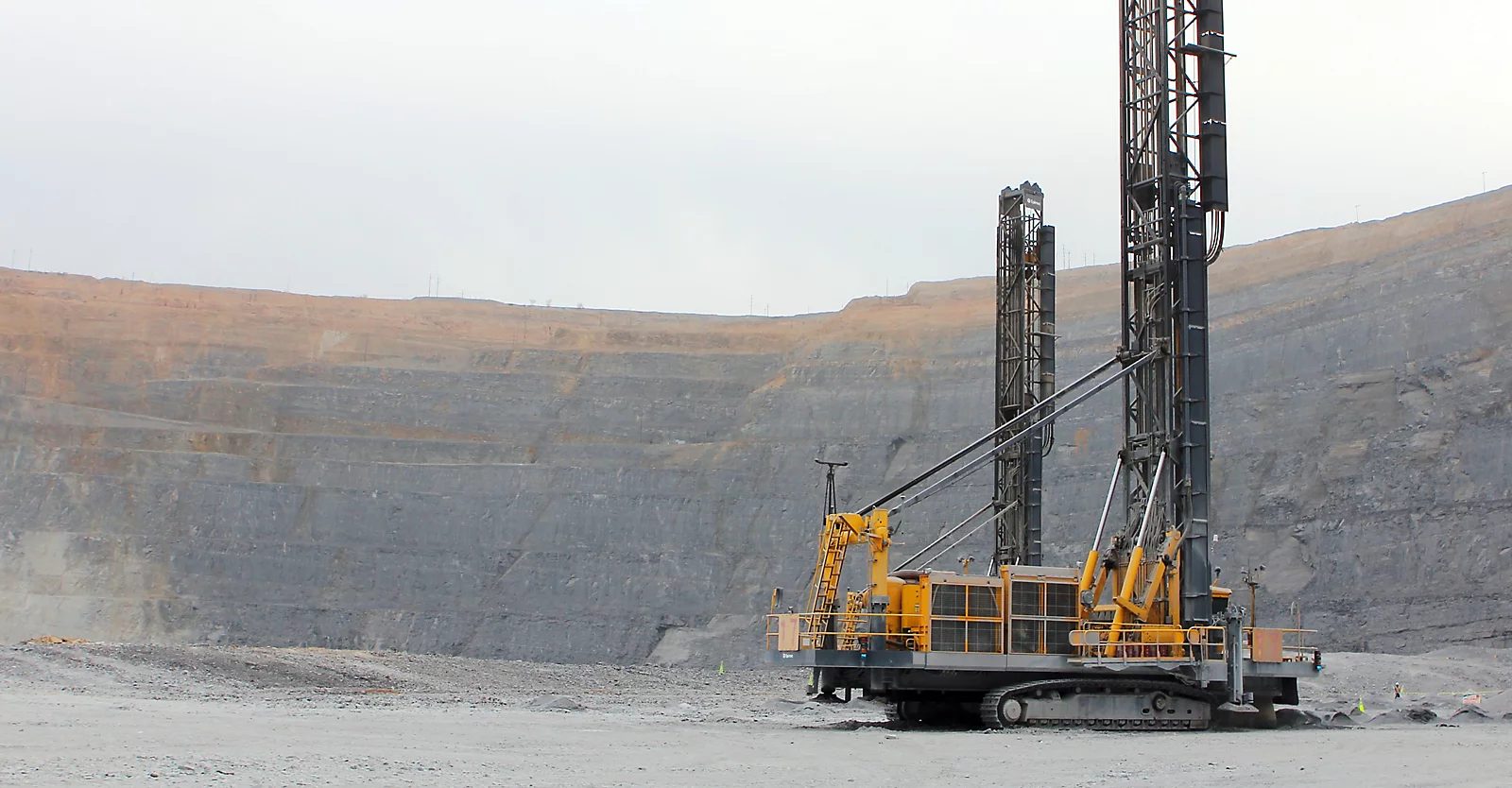
Between 2017 and 2023, Treo Group led the project management and operational transition of an autonomous drilling initiative at a Tier 1 open-cast mine in South Africa — a ZAR 146 million programme within a broader shift toward automation, improved safety, and drilling consistency across the production fleet.
The scope extended far beyond equipment installation. It meant coordinating two autonomous drilling technology vendors, managing a full retrofit of the existing drill fleet, and overseeing the organisational transition from conventional field-based drilling to tele-remote control from a facility kilometres from the pit.
The challenge
The operation faced a familiar but difficult set of constraints: an ageing drill fleet, mounting pressure to improve safety performance, and the need for consistent drilling accuracy in highly variable geology. Introducing autonomy is not a technology swap — it changes how work is done, where it is done, and who does it.
Three challenge layers ran through the programme: technical integration (no two rigs were identical, and mechanical systems, electrical architectures, and vendor control platforms had to be aligned in real time), operational continuity (drill availability could not be compromised during rebuilds, so downtime, upgrades, and recommissioning had to be precisely sequenced), and human and organisational change — moving experienced operators from hands-on control in the pit to remote supervision and trust in automation.
The approach
Treo structured the programme around integrated project controls, vendor coordination, and staged operational readiness. A central schedule governed every rig rebuild and installation, coordinating shutdown windows, electrical integration, testing cycles, and handover milestones. Treo acted as the integration layer between mining operations, maintenance, OEMs, automation specialists, and safety representatives, with weekly coordination forums keeping technical and operational domains aligned.
A key principle was "no silent failure zones": every subsystem — mechanical, electrical, communication, and control — had defined acceptance criteria before a rig could progress from installation to commissioning.
Delivery
Execution ran through five phases: vendor alignment and retrofit standards; progressive fleet retrofit with rigs rebuilt and fitted in tightly controlled sequence; structured testing and commissioning, including fail-safe verification and supervised autonomous trials; a dedicated operational readiness programme that retrained drill operators for remote operating roles; and ramp-up and stabilisation, embedding the new workflows into daily mine planning.
Outcomes
- A significant portion of the drill fleet successfully transitioned to autonomous operation.
- A fully functional remote operating facility enabling tele-remote drilling control.
- Improved drilling consistency and reduced variability in operator execution.
- Enhanced safety through reduced personnel exposure to in-pit drilling environments.
- Internal capability built to sustain autonomous operations beyond implementation.
Beyond the technical delivery, the most significant impact was organisational: automation became an integrated part of daily production planning rather than an external system.
What we took from it
Integration matters more than innovation; sequencing drives success; change management is not optional; and multi-vendor environments need active governance to prevent interface gaps. Successful automation is not about replacing people — it's about redesigning systems so people and technology operate at a higher level together.
Planning an automation programme?
We manage the integration, sequencing, and human side of mining automation — not just the install. Let's talk about your operation.
Book a services enquiry