
Case study
Proving bulk ore sorting at scale in a live operation
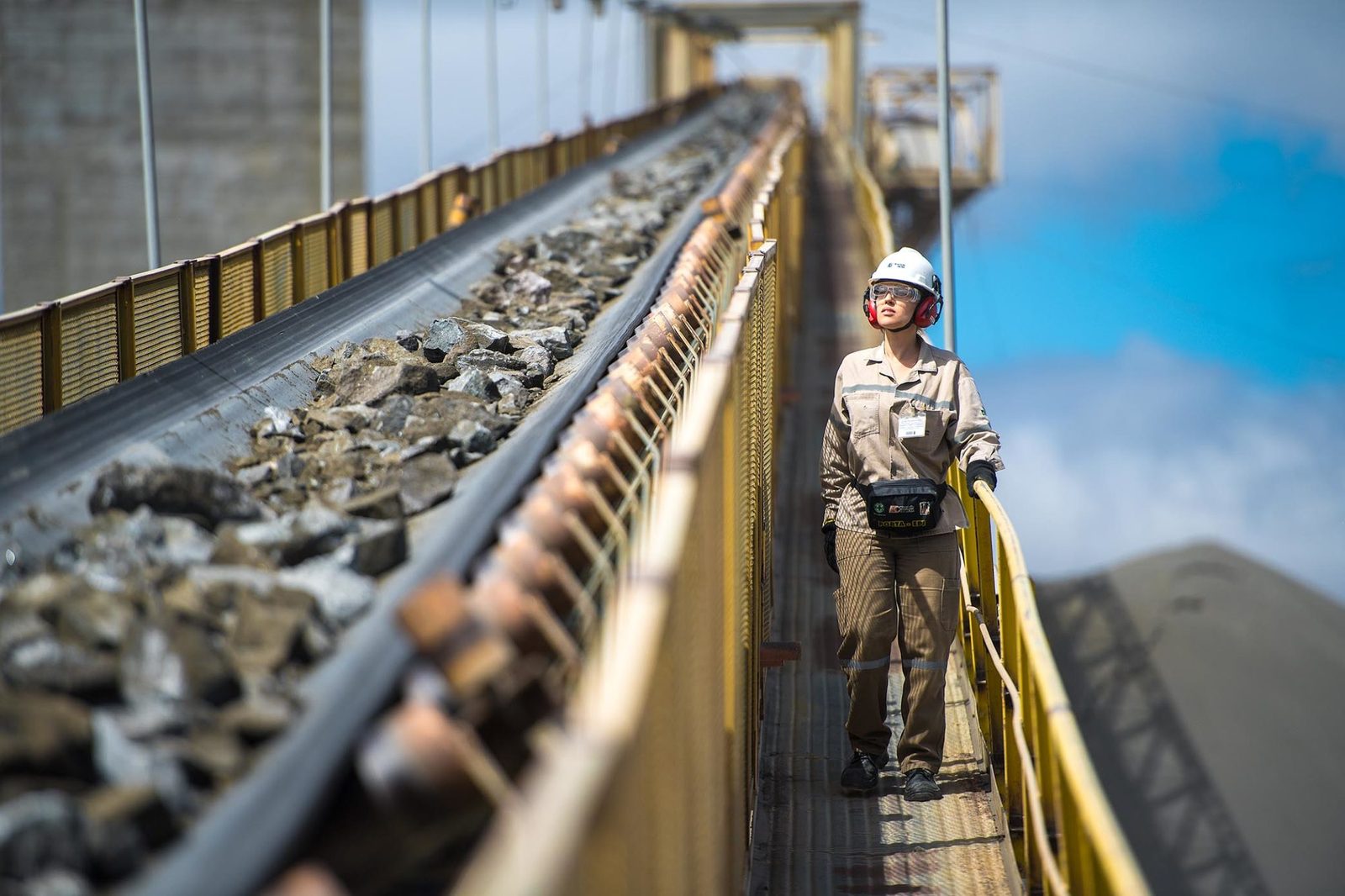
Between 2019 and 2020, Treo Group coordinated the delivery of a bulk ore sorting system at a major open-cast mining operation in Africa. The USD 5.8 million project set out to improve ore grade control, reduce downstream processing load, and prove — in a live mining environment — that bulk ore sorting could move from concept to operational reality at scale.
The challenge
The site processed large volumes of ROM material with fluctuating grades, driving inefficiency in plant feed and processing cost. The brief was simple in theory and demanding in execution: reject waste before it enters the plant, without introducing bottlenecks, and prove the system reliable under real operating conditions.
Operational reality added constraints — limited downtime windows for tie-ins, integration with existing material handling infrastructure, harsh open-cast conditions, and tight coordination between civil construction, mechanical installation, and plant operations. Critically, the technology had to demonstrate measurable value through a structured cost-benefit analysis before full integration into the mining cycle.
The approach
Treo's role centred on end-to-end coordination across three workstreams. Civil and mechanical deployment: foundations, structural supports, sorting equipment, and conveyor interfaces, with installation sequencing tightly controlled to hold tolerances across every interface point. Commissioning and live test work: gradual ramp-up of ROM feed, monitoring of sorting accuracy and rejection rates, sampling and assay of product and waste streams, and near-real-time parameter adjustments made jointly by engineers, operators, and metallurgists. Cost-benefit and impact analysis: quantifying reduced tonnage to the plant, feed-grade improvement, downstream energy and consumables impact, and throughput stability — integrated into operational decision-making rather than treated as a standalone report.
Outcomes
- Improved feed quality consistency to the processing plant.
- Reduced waste material reporting to downstream systems.
- More stable plant performance from reduced ore variability.
- Validated operational data supporting future full-scale implementation decisions.
What we took from it
Integration planning matters as much as equipment selection. Test work is a live operational phase, not an add-on. Operational buy-in determines success as much as engineering design. And value must be demonstrated in operational terms — stability, throughput, downstream efficiency — not just isolated sorting accuracy.
Evaluating new processing technology?
We take technologies from concept to validated operational reality — installation, live test work, and the cost-benefit analysis that supports the investment decision.
Book a services enquiry