
Case study
Level 9 collision avoidance across a Tier 1 mining fleet
Between 2017 and 2024, Treo Group managed the deployment of a large-scale Collision Avoidance System at a Tier 1 open-cast mine in South Africa. Valued at approximately R1 billion, the programme was central to the mine's safety strategy — reducing vehicle interaction risk and aligning with evolving regulatory requirements.
At its centre was a Level 9 CAS solution: advanced instrumentation, real-time detection, operational controls, and training programmes, integrated into an active mining environment without compromising production.
The challenge
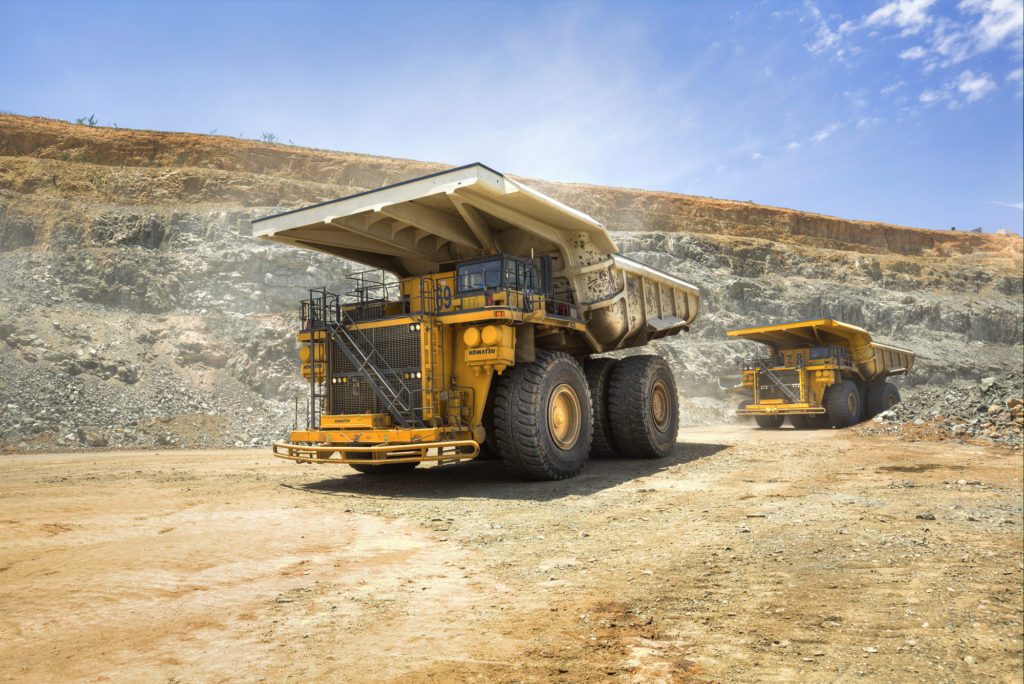
The mine ran a large fleet of heavy mobile equipment across dynamic haul roads, loading zones, and high-traffic areas. Dust, vibration, weather, and constantly shifting pit layouts made deployment and calibration technically demanding — and operations could not pause for implementation.
The stakeholder landscape was equally complex: mine operations, engineering, safety departments, OEMs, technology vendors, and the Department of Mineral Resources and Energy (DMRE) all had to stay aligned. And the technology itself had to interface reliably with existing systems and equipment from multiple OEMs, while operators developed genuine confidence in it — managing alert fatigue, override behaviour, and workflow disruption.
The approach
Treo treated the programme as both a technology deployment and a business transformation. Delivery ran through five phases: structured vendor evaluation and selection; infrastructure preparation and system integration, including fleet management interfaces and proximity detection configuration; staged installation and commissioning coordinated around maintenance intervals, with calibration and validation under live conditions; training and operational readiness for operators, supervisors, maintenance, and control room staff; and ongoing governance tracking system performance, schedule, cost, adoption, and compliance.
Rather than treating commissioning as the final step, operational readiness ran throughout the programme — scenario-based training, alert management procedures, and post-commissioning feedback loops built operator confidence progressively.
Outcomes
- Successful deployment of a Level 9 CAS solution across active mining operations.
- Improved visibility of vehicle interactions in high-risk operational areas.
- Enhanced operator awareness through real-time warning systems.
- Strengthened alignment with DMRE safety requirements.
- Scalable infrastructure established for future digital mining initiatives.
- A stronger, more proactive safety culture supported by technology and governance.
What we took from it
Laboratory performance doesn't translate directly to live mining conditions — field validation is essential. Interface complexity across OEM platforms should never be underestimated. And technology alone doesn't solve safety challenges: CAS effectiveness depends as much on operator trust and procedural discipline as on hardware.
Rolling out safety technology at scale?
We manage CAS and digital safety programmes end to end — vendor selection, phased deployment, regulatory alignment, and the adoption work that makes it stick.
Book a services enquiry